Explore elevator systems, controls, modernization options, and technology trends affecting performance, energy efficiency, and building operations across modern high-rises and residential villas.
A comprehensive technical breakdown of vertical transport mechanics, load transfer dynamics, and architectural machine configurations.
Hydraulic systems utilize pressurized fluid cylinders for low-rise stability and heavy cargo capacities up to 5,000 kg. In contrast, traction systems use counterweighted steel wire ropes or polyurethane-coated belts driven by motor sheaves for rapid, unlimited vertical travel.
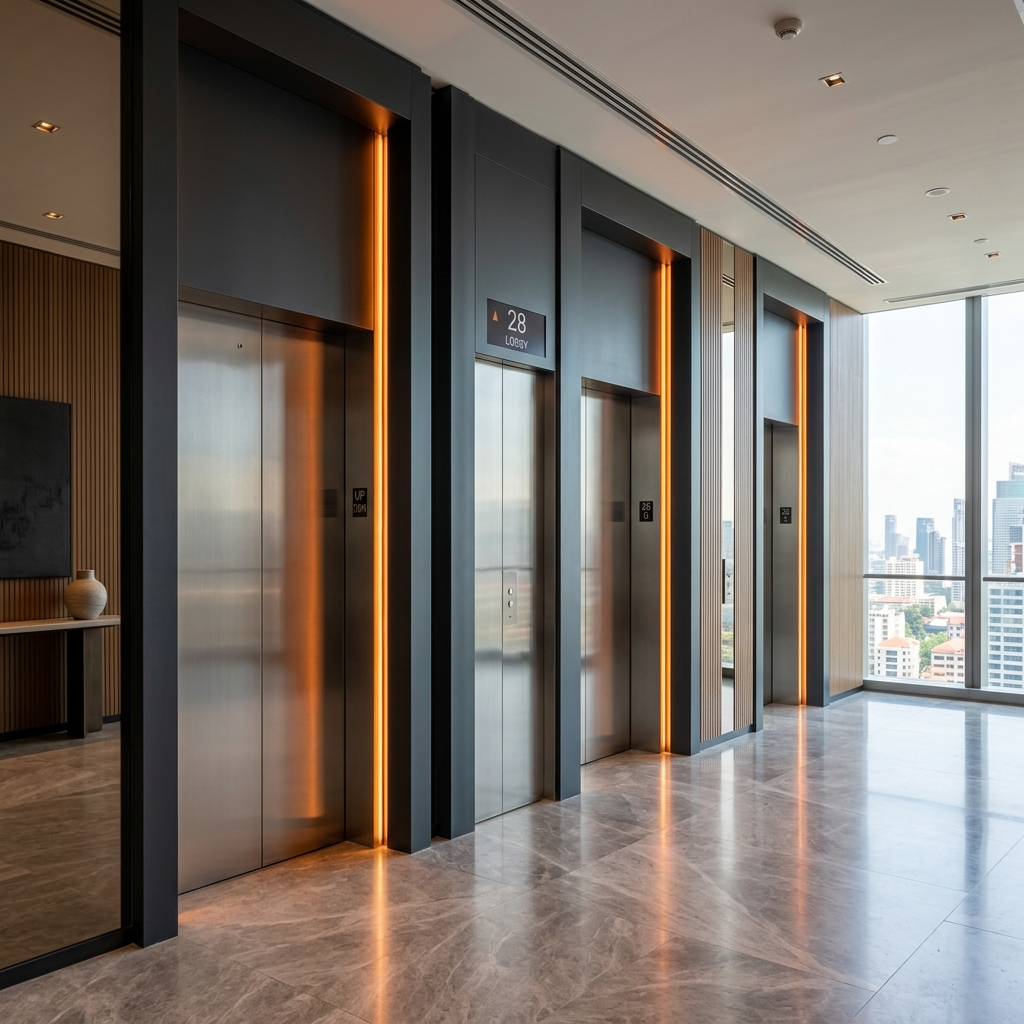
MRL systems mount compact permanent-magnet synchronous motors directly inside the top of the elevator hoistway. This completely eliminates rooftop machine penthouses, saving building height, reducing structural dead load, and improving architectural roof aesthetics.
MRL Engineering Specifications →Integrated micro-controller boards capture motor thermal profiles, door cycle counts, brake shoe wear, and car positioning errors. Automated fault logs pinpoint anomalies, enabling condition-based preventive replacement rather than reactive emergency repairs.
How precision frequency inverters, regenerative circuits, and microprocessor controllers deliver whisper-quiet travel.
 Smart Algorithm
Passengers select their floor at the lobby kiosk before boarding. The centralized logic groups passengers traveling to identical floors, reducing stopping frequency and slashing peak waiting intervals by up to 40%.
Commercial Applications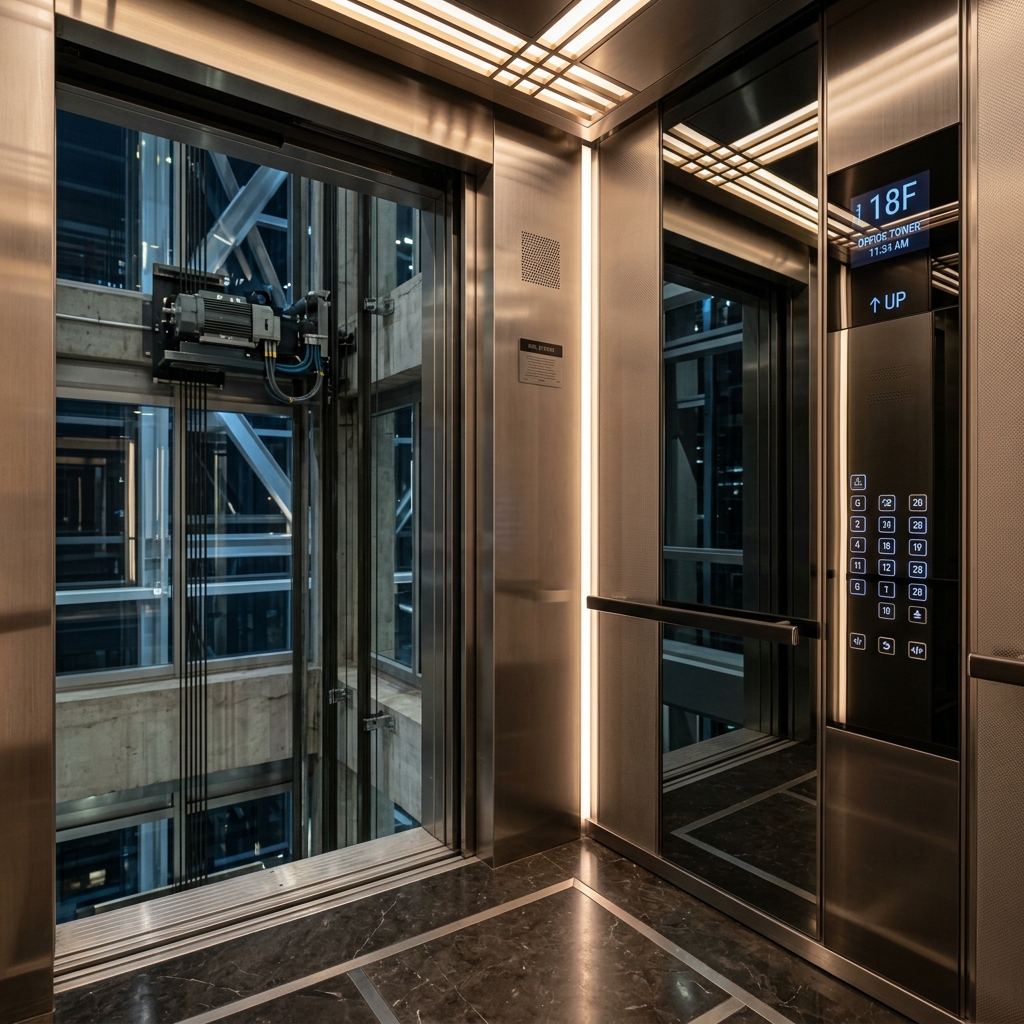 Green Power
When an elevator car travels down with a heavy load or up with a light load, gravity works in its favor. Regenerative VVVF drives capture this mechanical kinetic motion, converting it into clean AC electricity returned directly to the building grid.
Modernization Upgrades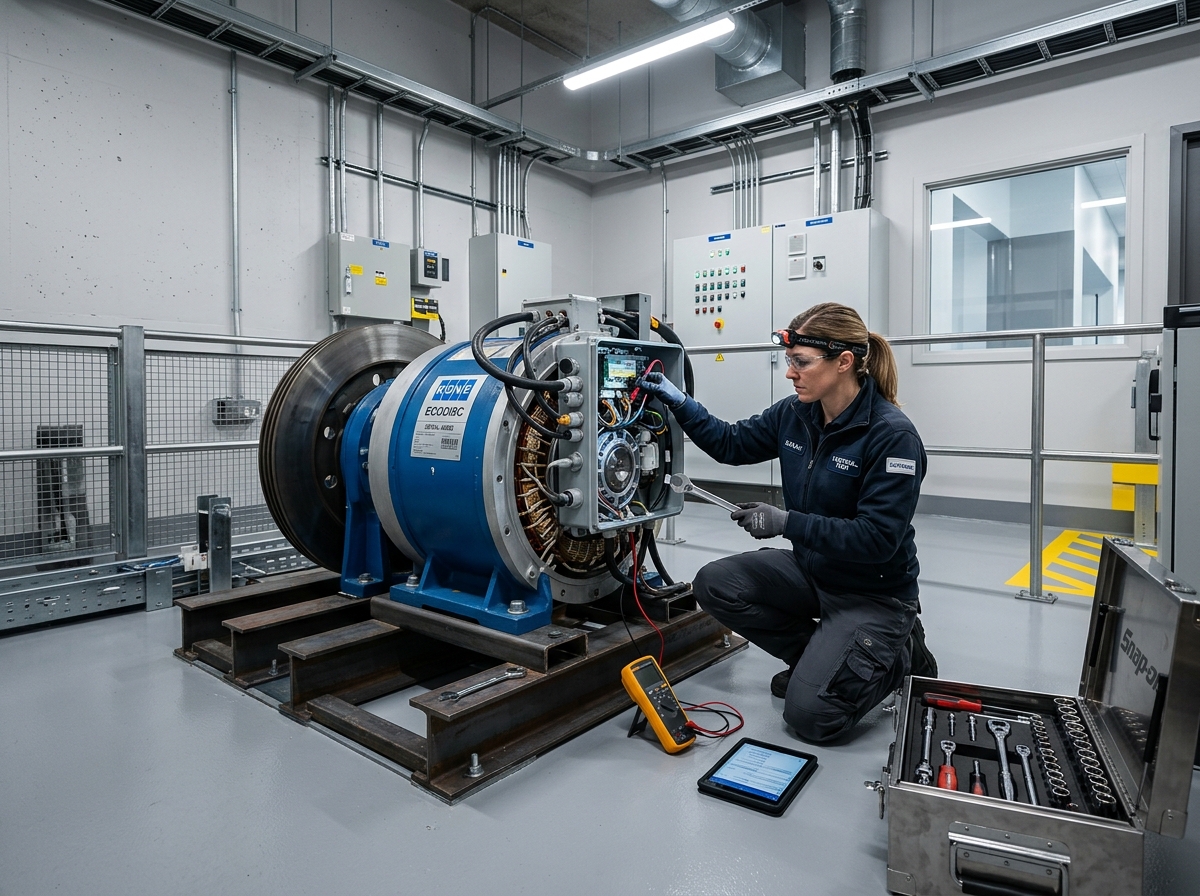 Smooth Ride
High-resolution rotary encoders provide continuous millisecond motor shaft feedback, ensuring zero jerk during starts and stops and guaranteeing millimeter-level landing sill alignment.
Technical RepairUpgrading existing Bangalore buildings with modern micro-controller electronics and smart passenger conveniences.
Infrared proximity sensors allow call registration without physical contact. Smartphone Bluetooth and QR credentials grant authorized floor access.
Smart Modernization →High-definition TFT displays replace mechanical segment indicators, streaming live building announcements, weather updates, and floor indicators.
Display Components →Up to 128 invisible infrared light beams protect landing doors, preventing door contact with passengers, pets, or medical stretchers before closing.
Hospital Lift Safety →Key innovations shaping next-generation vertical transportation architecture.
Ultra-lightweight composite ropes reduce moving mass in super-tall buildings, cutting power consumption and doubling operational service life compared to traditional steel ropes.
Cloud platforms learn daily traffic rhythms, automatically pre-positioning elevator cabins at popular arrival floors before rush hours commence.
Residential villa lifts paired with hybrid solar inverters allow continuous operation for dozens of trips during extended local grid power cuts.
Planning a smart building or seeking to modernize aging elevators with energy-saving PMSM drives? Talk to our Bengaluru technology specialists.
+91 98861 98146